
Why Humidity Control Matters When You Buy a New HVAC System
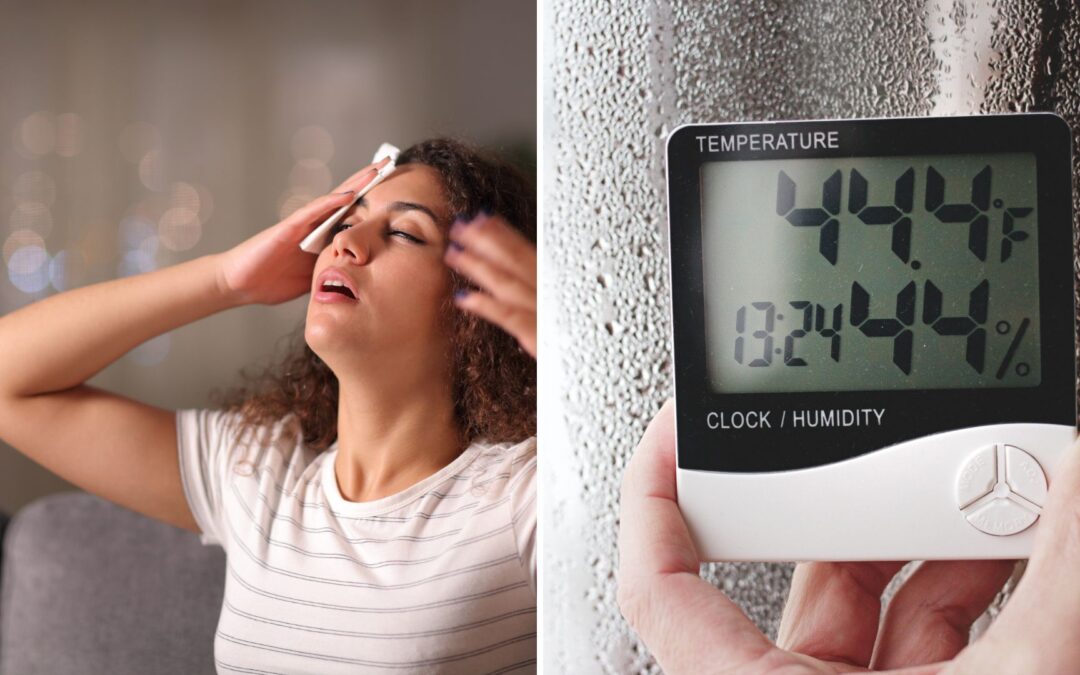
When you think about heating and air conditioning, temperature is usually the first thing that comes to mind. But did you know that humidity plays a big role in how comfortable your home feels?
If you’re shopping for a new HVAC system, don’t overlook humidity control. It’s one of the most common problems homeowners deal with — and many don’t realize it until it’s too late.
Let’s break it down in simple terms.
What Is Humidity, Anyway?
Humidity is the amount of moisture in the air.
- In the summer, too much humidity makes your house feel hot, sticky, and uncomfortable — even if the air conditioner is running.
- In the winter, too little humidity dries out your skin, makes your nose and throat scratchy, and can even damage wood furniture and floors.
The goal is to find the right balance. That’s where your HVAC system comes in.
Why HVAC Systems Need to Handle Humidity
Most people think air conditioners just cool the air — but a good system also removes moisture while doing it. The same goes for heating systems: dry winter air can be improved with the right kind of equipment.
If your HVAC system isn’t properly matched to your home or installed the wrong way, it may:
- Struggle to remove enough humidity in the summer
- Make the air too dry in the winter
- Create hot or damp spots in different rooms
- Run more than it should, increasing your energy bills
Common Signs of Humidity Problems
- Your home feels muggy or sticky even with the A/C on
- You see fog or moisture on windows
- Mold or mildew smells in certain rooms
- Cracking wood floors or furniture in winter
- Static electricity, dry skin, or dry sinuses
If any of these sound familiar, your HVAC system might not be doing its job properly when it comes to humidity.
What Can You Do About It?
Here are some ways to get better humidity control when buying a new system:
- Ask for a humidity assessment: A good contractor should measure indoor humidity levels — not just temperature.
- Consider a variable-speed system: These systems run more gently and longer, giving them more time to remove moisture from the air.
- Add a dehumidifier or humidifier: These can be built into your system and automatically adjust moisture levels year-round.
- Don’t skip the ductwork: Poor duct design or leaks can make humidity problems worse.
- Get a proper load calculation: Bigger isn’t always better. An oversized A/C might cool the air quickly — but won’t run long enough to remove humidity.
Why a Second Opinion Can Help
Contractors may focus on selling you equipment — not on how it will manage humidity in your home. An independent HVAC consultant can help you understand your options and avoid costly mistakes.
Bottom Line
Humidity affects more than just comfort. It impacts your health, your home, and your energy bills. When you’re making a big investment in a new HVAC system, don’t forget to ask, “How will this system handle humidity?”
Your future self (and your skin) will thank you.