
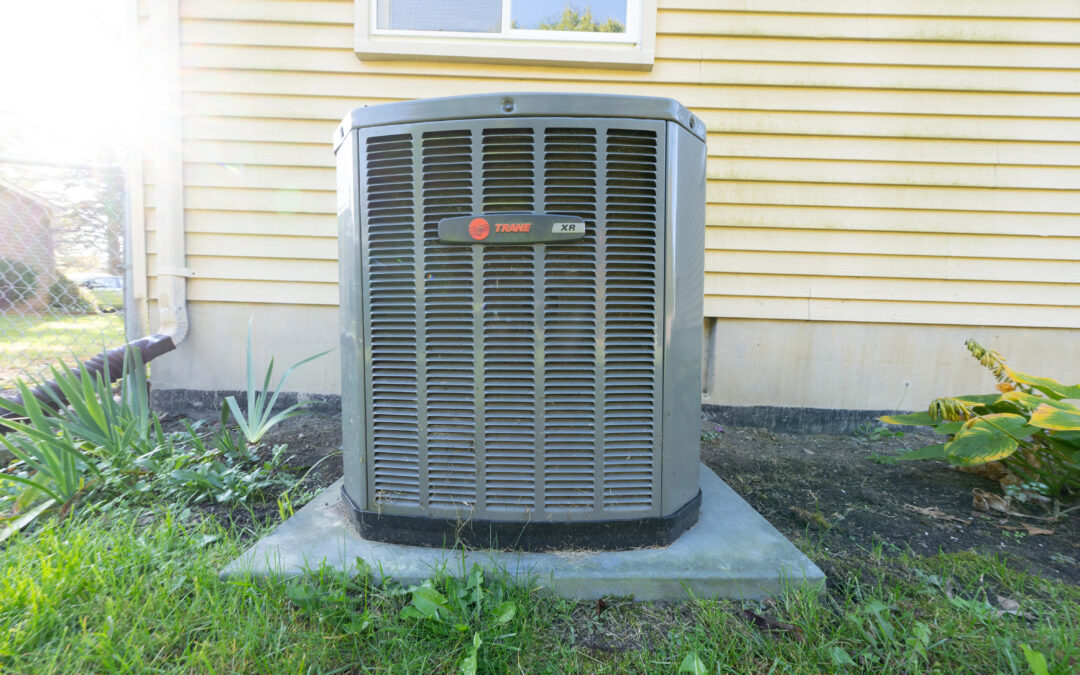
How to Select a New Air Conditioner
Why Getting the Right-Sized Air Conditioner Matters
When it comes to installing or replacing an air conditioner, one of the most important steps is doing a heat load calculation. This is a test that tells you how much cooling your home actually needs. There are several good reasons to do this:
1. Your home may have changed. Maybe you’ve added insulation or installed energy-efficient windows. These upgrades affect how much heating or cooling you need.
2. Builders often cut corners. In many neighborhoods with similar homes, builders will install the same size air conditioner in every house—even if they don’t all need the same amount of cooling. This saves them time and money, but it might leave you with a system that’s too big or too small.
Why Air Leaks and Ventilation Matter
When calculating your cooling needs, it’s also important to consider how much outside air leaks into your home. This is called air infiltration:
• If your home is tightly sealed (meaning it doesn’t let in much outside air), that’s great for energy savings. But you may need a special fan system—called a heat recovery ventilator (HRV) or energy recovery ventilator (ERV)—to bring in fresh air.
• If your home is older or not well-sealed, it may let in more hot air, which increases the need for cooling.
To figure out how leaky your home is, an HVAC professional might perform a blower door test, which helps measure how much air is sneaking in or out.
Why Bigger Isn’t Better
You might think that a larger air conditioner will cool your home faster—but that’s not a good thing. Here’s why:
• Oversized units don’t run long enough to remove humidity from the air. This can leave your home feeling damp and uncomfortable, and in extreme cases, it can even lead to mold.
• An oversized unit may cool quickly, but it won’t cool evenly, and it may cycle on and off more often, which can wear out parts faster.
• Newer systems are built for energy efficiency, but if they’re too big, their high-efficiency coils won’t be able to dehumidify properly.
The goal is to get an air conditioner that’s just the right size for your home.
Don’t Forget the Ductwork
Your air ducts—the system that carries air throughout your house—are just as important as the air conditioner itself:
• The return air ducts (which pull air from your rooms) should be larger than the supply ducts (which push cool air out).
• If the ductwork is too small or poorly installed, your system won’t get enough airflow. This can cause your indoor coil to freeze, and your air conditioner will stop cooling.
• Bad ductwork can also reduce your system’s efficiency by up to 30%, which means higher energy bills.
Protect Your System (and Your Wallet)
Air conditioners are expensive to repair, especially the compressor, which can cost anywhere from $1,000 to $3,000, even under warranty. You can help protect it by:
• Making sure the circuit breaker isn’t too large. Often, using a slightly smaller breaker than what’s listed on the unit is safer.
• Using the right wire size—slightly thicker wires are better.
• Installing a time delay to protect the compressor from restarting too quickly. Many modern thermostats already include this feature.
• Asking your technician to include a high- and low-pressure switch, and a crankcase heater to keep your compressor healthy, especially in colder climates.
In short: If your air conditioner is sized correctly and installed properly, it will cool your home more evenly, cost less to run, break down less often, and last longer.